

Nilavo Roy
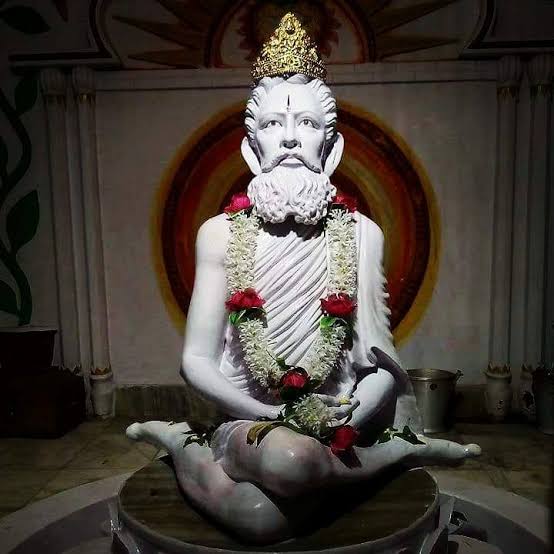
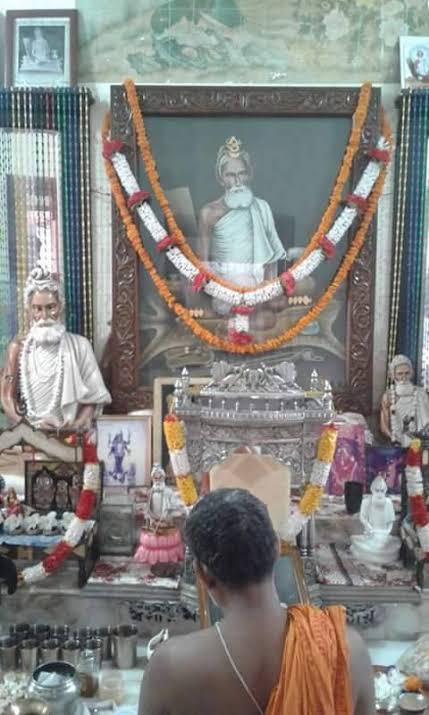
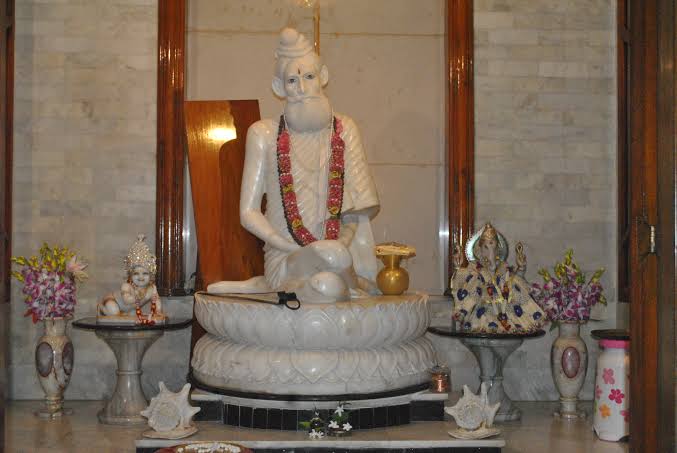
Every year, thousands of devotees throng Baba Loknath’s temples and ashrams, offering him Amriti, Mishri, and other sweetmeats, draping his idol in grand garlands, and invoking his name in moments of distress. These rituals, performed with faith and devotion, are an important part of our cultural and spiritual life. Yet, in the midst of all these celebrations, we often forget the very teachings that Baba Loknath left behind—teachings that can transform not just our circumstances, but our character, relationships, and inner life.
“If You Want to Thank Me, Feed the Poor”
One of Baba Loknath’s most powerful instructions was: “If ever you should feel a sense of gratitude toward me, give some alms to the poor. Whatever you may provide to the poor, neglected, and downtrodden brethren of yours with true love, I shall always receive it.”
Instead of competing to offer the biggest garland or the most elaborate puja, we can ask ourselves: How many meals have we shared with someone in need in Baba’s name? Have we supported education, healthcare, or livelihood for the underprivileged as an offering to him? True devotion, he taught, is measured not by the size of the garland, but by the depth of our compassion.
“Become the Gita, Don’t Just Read It”
Baba Loknath often said, “The Gita is not some reading material that needs to be read regularly as a routine. You must become the Gita.” This means that spiritual texts are not meant to remain on shelves or be recited mechanically; they must be lived in our daily actions. In practical terms, this could mean:Practicing “karma without attachment”—doing our duty without obsessing over results.Treating every person we meet with the respect due to a divine presence. Choosing honesty, patience, and forgiveness even when it is difficult.Our real “puja” to Baba Loknath is to embody these values in our homes, workplaces, and communities.
Self-Reflection: A Daily Spiritual Practice
He gave a clear method for inner transformation: “If you intend to become spiritual, you must analyze your actions and thoughts each day before you go to bed at night. You must assess the good actions and the evil actions and come to a firm resolution not to repeat evil actions anymore.” Imagine if, instead of only remembering him in crisis, we made this nightly reflection a habit: What good did I do today? Where did I harm someone through word, thought, or action? What will I do differently tomorrow? This simple practice, done sincerely, can gradually purify the mind and reshape our life.
“Be Angry, But Do Not Become Blind with Anger”
Baba Loknath did not ask us to suppress emotions, but to master them consciously. He taught: “Let anger become conscious. Step back, be a witness to anger and its mechanisms… No one should be consumed by anger. Remain a vehicle of appropriate and conscious expressions of anger, always working for the highest possible good.” In a world where anger often fuels family conflicts, social media fights, and even violence, this teaching is deeply relevant. We can honour Baba by: Pausing before reacting in anger. Asking, “Is this anger protective or destructive?” Using firm but compassionate communication instead of harsh words. Such self-control is a far greater offering than any sweetmeat.
“You Carry the Diamond Within; Do Not Chase Pieces of Glass”
One of his most profound teachings was: “If You know who You are, You will come to know everything… In You is the dormant seed form of all the knowledge, power and wealth of this entire creation. Why should You leave the diamond and waste time on pieces of glass?” In an age of endless comparison—chasing likes, status, and external validation—this message calls us back to inner worth. True devotion to Baba Loknath includes: Investing time in self-knowledge, meditation, and ethical living. Reducing dependence on external approval and material display. Recognizing the divine presence within ourselves and others. This inner shift can reduce anxiety, jealousy, and emptiness more effectively than any ritual alone.
“Serve Humanity, Serve God”
Baba Loknath emphasised that serving humanity is the highest form of worship: “Serve humanity, and in doing so, you serve God.” He saw no separation between devotion and social service. Honouring him today could mean: Volunteering at or supporting schools, medical camps, and old-age homes run in his name. Helping a neighbour in difficulty without expecting recognition.Teaching a child from an underprivileged background, or supporting women’s skill-training initiatives inspired by his vision.
A Call to Devotees: From Ritual to Transformation
Baba Loknath indeed promises protection: “Rane bane jole jongole, jokhone bipode poribe, amake smoron korio, amie rokkha koribo” (In war, forest, water, or jungle, whenever you are in danger, remember me and I shall protect you). But his deeper message is that true protection comes from living a life of truth, compassion, and self-awareness. The greatest garland we can offer Baba Loknath is a life transformed by his wisdom—a life where love rules over hate, consciousness over impulse, and service over selfishness.
(The writer is an Assistant Professor of Economics in Loreto College (Autonomous), Kolkata.)