


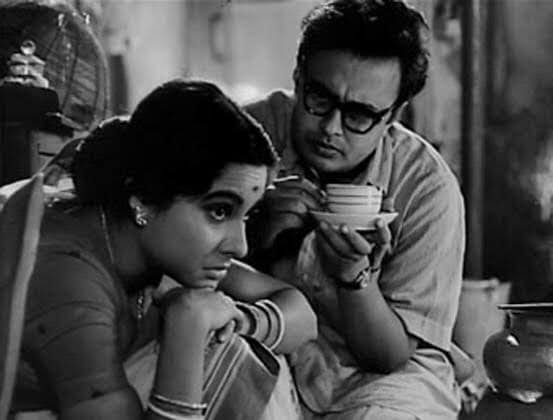
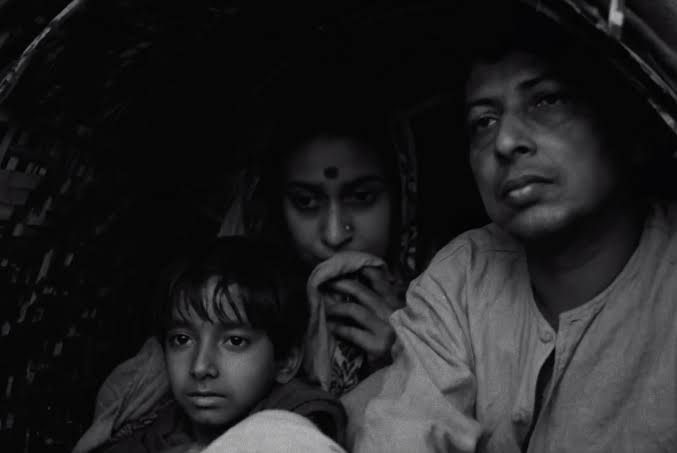
Nilavo Roy: Take International Workers’ Day and Satyajit Ray’s birth anniversary, put them together, and you’ve got the perfect moment to talk about labor, livelihoods, and all the invisible work Ray’s films capture so honestly. Sure, he once said his time studying Economics at Presidency College didn’t really influence his filmmaking. Still, watch his movies and it’s clear—he had a sharp eye for economic realities, especially the messy, hidden lives that make up the informal sector.
Long before development economics put the informal sector under a microscope, Ray’s films painted it with real depth. He never bothered with the jargon. Instead, he showed us characters hustling outside the reach of formal markets—working odd jobs, juggling side hustles, never really safe, often invisible to the world. For Ray, the informal sector wasn’t just what’s left over when everything “official” is done. It was its own universe—tough, ingenious, tangled up in relationships, necessity, and knotty moral choices.
Look at Pather Panchali. The family scrapes by in a rural world defined by scarcity and uncertainty. They lean on priestly duties, tiny exchanges, informal loans—there’s no paperwork, no promises. Everything depends on who you know and local customs. Ray gets what economists would later call informality—he understands it’s not chaos, but a fragile system held together by social ties. That same fragility means the smallest setback can tip the whole balance and send a family into crisis.
Then jump to Jana Aranya. Suddenly you’re in the city, and the grind is sharper. The main character, barred from “respectable” jobs, dives into petty deals and freelance brokering. It’s easy to jump in—no fancy degrees, just connections and nerve. No rules, either. Ray doesn’t shy away from the messy side: making a living often means crossing lines you wish you hadn’t. There’s a scene near the end where survival comes at a steep personal cost. That’s the price of life on the margins.
Ray comes at informality from yet another angle in Pratidwandi. This time, the main character can’t land a secure job, no matter how hard he tries. The formal economy’s closed doors keep swelling the ranks of the informal—people don’t choose insecurity, they’re pushed into it. For Ray, none of this happens in a vacuum. It’s all part of a bigger system, where jobs are scarce and the system itself just doesn’t work for most people.
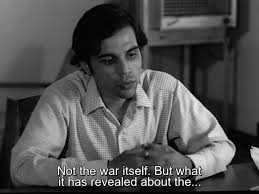
Mahanagar gives us a different view—one shaped by gender. Arati goes to work as a saleswoman, a job perched somewhere between the formal and informal. She gets paid on commission; her boss decides her fate on a whim. There’s no real safety net here. This new role shakes up her whole family, and Ray makes it clear—informal work isn’t just about earning. It changes people’s lives and relationships in lasting ways.
Even in a film like Seemabaddha, set in the clean offices of the corporate world, Ray doesn’t let you forget what’s happening outside. The stark separation between those insulatted by the formal sector and everyone else only highlights the divide. A small slice lives with security. The rest get by however they can.
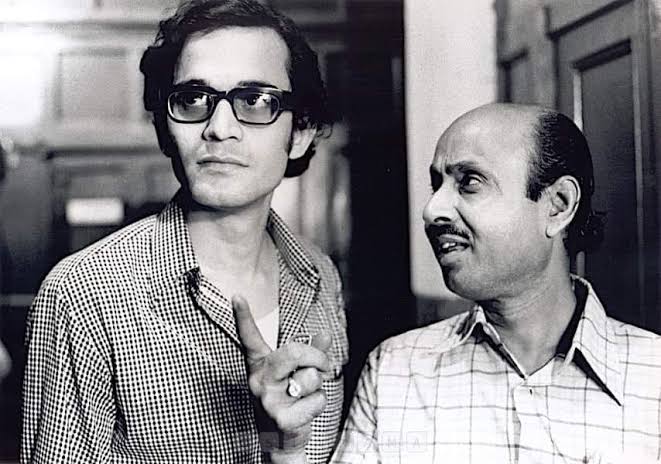
Ray never sugarcoats informality. He sees the grit and creativity it demands, but he’s just as clear about the brutal trade-offs—instability, no safety net, constant ethical tension. People get by on smarts and who they know, but they’re always just one disaster from the edge.
In the end, Satyajit Ray’s films give us portraits of informal work that are both clear-eyed and personal. He grounds economic activity in daily life, showing just how much is at stake. On a day meant to honor labor and remember Ray himself, his cinema insists that the informal sector isn’t just a line in an economics textbook—it’s lived, it’s hard, and it’s full of dignity, compromise, and survival.
(The writer teaches Economics in Loreto College, Kolkata)

